Yin
Longer-held postures with time to adjust or use props. Choose hot or warm options.
Explore hot and warm yin yoga at two Edmonton studios for slow stretching, recovery days, and nervous-system downshifting.
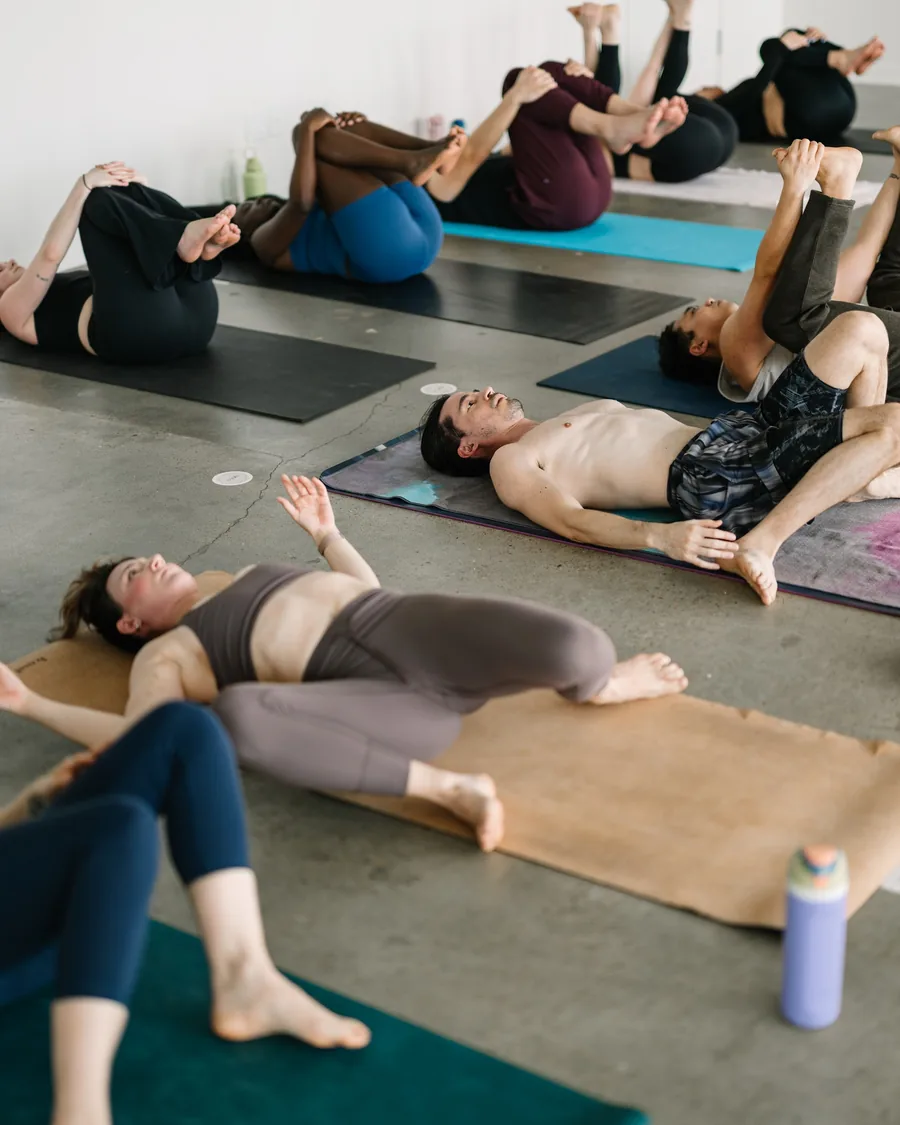
Yogalife’s current Hot Yin description says yin is a slow-paced class that holds postures for several minutes. The practice is quieter than flow classes and gives you time to notice what your body is doing instead of rushing through transitions.
You should feel a steady stretch or sensation, not sharp pain. Props, patience, and breathing are part of the class, not signs that you are doing it wrong.
Longer-held postures with time to adjust or use props. Choose hot or warm options.
Longer-held yin postures paired with myofascial release, in a hot 38°C room at South Edmonton.
Yes, yin-style classes can be beginner-friendly because they move slowly and do not require fast transitions. If heat feels intimidating, start with Gentle Hatha or another non-heated class before trying Hot Yin.
If you are dealing with an injury, pregnancy, or a medical condition, choose the gentler option and ask the studio team or your healthcare provider what is appropriate.
For Hot Yin or Hot Yin & Release, bring water and a towel. For non-heated Gentle Hatha, wear comfortable layers you can move in. Yogalife’s current intro-offer page says studio mats are provided for free and towels can be rented for $3.
Three weekends this fall at our 124 Street studio, for certified teachers and committed practitioners. It counts as an elective toward the 300-hour.
Yin holds simple shapes for several minutes and asks you to work with moderate sensation. Restorative-style practice uses more support and aims for deeper rest. Gentle Hatha at Yogalife includes hatha, restorative, and yin elements.
Yogalife’s homepage says hot classes are around 95–100°F (35–38°C). Bring water and a towel, and start with non-heated Gentle Hatha if heat makes you nervous.
Many students use yin-style classes for stress, desk stiffness, recovery days, and learning to slow down. It is low-speed, not necessarily zero sensation.
No. Props and options help you work with your current range of motion. Flexibility can develop over time; it is not a requirement to start.